(Por Miguel Alejandro Martínez Lira)
Tengo las palabras
heridas
de su democracia,
de los aplausos,
de los brindis
que celebran tanta muerte,
tanto crimen
ya antiguo,
recientes crímenes
como Atenco.
Mis palabras
están heridas
de su democracia,
la de los crímenes cotidianos
de la explotación,
el hambre
y la miseria.
Mi palabra entonces
es dolor,
cada letra
es golpe,
sangre
campesina,
de estudiantes
y obreros,
compañeras,
hermanas,
madres,
niñas,
niños,
dolor tan mío,
golpe que sufro
porque la sangre
también es mía.
Democracia que roba.
Democracia que humilla.
Democracia que hiere.
Democracia que viola.
Democracia asesina.
Sunday, February 04, 2007


Saturday, January 27, 2007
(Unpublished) Letter to the Editor, NYT
To the Editors:
We were surprised by a missed opportunity in two articles related to corn prices, published on the same day ("Cost of Corn Soars" and "Wall Street Is Betting on the Farm," 1/19/2007). Our own research focuses on the economics and cultures of corn in Mexico, so naturally we have followed the news of rising tortilla prices with interest. While the first article mentions that perhaps Mexican companies are hoarding corn supplies and that ethanol has driven up the price in the U.S., the second article, which does not mention Mexico, reveals another major factor: Wall St. traders are speculating heavily on agricultural commodities, particularly corn. Wall St. has long influenced economies around the world, and given the evidence of increasing speculation in farm commodities, its role in the Mexican tortilla crisis should not have been overlooked.
Daniel Nemser
Daniel Buch
San Francisco, CA
The authors are graduate students in Spanish and Sociology (respectively) at the University of California, Berkeley.
We were surprised by a missed opportunity in two articles related to corn prices, published on the same day ("Cost of Corn Soars" and "Wall Street Is Betting on the Farm," 1/19/2007). Our own research focuses on the economics and cultures of corn in Mexico, so naturally we have followed the news of rising tortilla prices with interest. While the first article mentions that perhaps Mexican companies are hoarding corn supplies and that ethanol has driven up the price in the U.S., the second article, which does not mention Mexico, reveals another major factor: Wall St. traders are speculating heavily on agricultural commodities, particularly corn. Wall St. has long influenced economies around the world, and given the evidence of increasing speculation in farm commodities, its role in the Mexican tortilla crisis should not have been overlooked.
Daniel Nemser
Daniel Buch
San Francisco, CA
The authors are graduate students in Spanish and Sociology (respectively) at the University of California, Berkeley.
Saturday, December 23, 2006
La Otra Campaña en el otro lado...
... del Atlántico!
The actions called for by the EZLN in support of Oaxaca were supposed to take place yesterday, December 22. In Madrid, however, the protest happened on the 20th. Why? Clara Redal, one of the event's organizers and a member of the Comisión Confederal de Solidaridad con Chiapas, explained the date change by pointing out the fact that the 22nd is the day when "aquí, todos se van a su pueblo."
In the context of worldwide, coordinated mobilizations, I read this move as a piece (however superfluous or limited) of the process of building the local autonomies that the Otra Campaña seeks to support. It's a clear and easy example of the way in which Zapatista thought serves as inspiration instead of top-down, authoritarian mandates. The Otra Campaña allows -- or, better yet, demands -- local flexibility in conjunction with global ties.
The actions called for by the EZLN in support of Oaxaca were supposed to take place yesterday, December 22. In Madrid, however, the protest happened on the 20th. Why? Clara Redal, one of the event's organizers and a member of the Comisión Confederal de Solidaridad con Chiapas, explained the date change by pointing out the fact that the 22nd is the day when "aquí, todos se van a su pueblo."
In the context of worldwide, coordinated mobilizations, I read this move as a piece (however superfluous or limited) of the process of building the local autonomies that the Otra Campaña seeks to support. It's a clear and easy example of the way in which Zapatista thought serves as inspiration instead of top-down, authoritarian mandates. The Otra Campaña allows -- or, better yet, demands -- local flexibility in conjunction with global ties.
Sunday, November 12, 2006
Los oaxaqueños del norte de California construyen una Otra Geografía
Alejandro Reyes
En la ciudad de Santa Rosa, en el norte de California, se realizó ayer el Primer Foro Informativo de Análisis Sobre la Situación de Conflicto en Oaxaca. Más de cien personas, la gran mayoría de origen oaxaqueño, se reunieron para discutir la situación en Oaxaca y promover acciones en solidaridad con el movimiento popular en ese estado.
El foro fue organizado por el Frente Indígena de Organizaciones Binacionales (FIOB), Comité en Apoyo al Movimiento Popular de los Pueblos de Oaxaca (CAMPPO), Congreso Indígena Popular de Oaxaca “Ricardo Flores Magón” (CIPO-RFM), Movimiento Estudiantil Chicano de Aztlán (MEChA), CHALE y Free Mind Media. También presentes estuvieron organizaciones y medios alternativos como Peace and Justice Center, Colectiva Zapatista Ramona, Comité de Apoyo a Chiapas, Voces Cruzando Fronteras y Pacifica Radio (KPFA).
El foro resultó en un comunicado conjunto que será enviado a la Asamblea Popular de los Pueblos de Oaxaca (APPO) con varias resoluciones: la decisión colectiva de presionar desde los Estados Unidos a los consulados mexicanos para que se retire la Policía Federal Preventiva del estado y por la destitución del gobernador Ulises Ruiz; la decisión de participar en las movilizaciones planeadas para el 20 de noviembre; manifestarse contra la privatización de la educación; exigir el enjuiciamiento del gobierno de Oaxaca por los crímenes cometidos contra el pueblo oaxaqueño.
Rufino Domínguez, de la FIOB, explicó que el propósito de este movimiento va más allá de la solidaridad con Oaxaca. Lo que se pretende es una comunicación y una participación activas, reconociendo los vínculos estrechos que unen a la población oaxaqueña en Estados Unidos con su estado de origen. La FIOB, aunque está compuesta mayoritariamente de indígenas oaxaqueños, cuenta con miembros de muchos otros pueblos. Así, la organización sirve como mecanismo para la construcción de una “otra geografía” que desconoce las fronteras artificiales del poder y responde a una realidad mucho más compleja. De hecho, fue a partir de un encuentro similar al ocurrido en Santa Rosa que, el 8 de octubre de este año, surgió en Los Angeles la APPO-LA, sección californiana de la Asamblea Popular de los Pueblos de Oaxaca.
La diáspora oaxaqueña, resultado de las condiciones de pobreza y marginación en ese estado, ha resultado en iniciativas organizativas importantes tanto en México como en Estados Unidos. Tal es el caso con los pueblos triquis en Baja California, visitados por el Subcomandante Marcos y la Otra Campaña hace un mes. A pesar de las condiciones de pobreza, marginación y discriminación en las que viven, haciendo funcionar la agroindustria del jitomate en esa región, esos pueblos muestran una ejemplar capacidad de resistencia y organización.
El pueblo oaxaqueño continúa luchando contra la arbitrariedad y la violencia de los gobiernos y del capital, contribuyendo para construir un México y un mundo más inclusivo y más justo.
En la ciudad de Santa Rosa, en el norte de California, se realizó ayer el Primer Foro Informativo de Análisis Sobre la Situación de Conflicto en Oaxaca. Más de cien personas, la gran mayoría de origen oaxaqueño, se reunieron para discutir la situación en Oaxaca y promover acciones en solidaridad con el movimiento popular en ese estado.
El foro fue organizado por el Frente Indígena de Organizaciones Binacionales (FIOB), Comité en Apoyo al Movimiento Popular de los Pueblos de Oaxaca (CAMPPO), Congreso Indígena Popular de Oaxaca “Ricardo Flores Magón” (CIPO-RFM), Movimiento Estudiantil Chicano de Aztlán (MEChA), CHALE y Free Mind Media. También presentes estuvieron organizaciones y medios alternativos como Peace and Justice Center, Colectiva Zapatista Ramona, Comité de Apoyo a Chiapas, Voces Cruzando Fronteras y Pacifica Radio (KPFA).
El foro resultó en un comunicado conjunto que será enviado a la Asamblea Popular de los Pueblos de Oaxaca (APPO) con varias resoluciones: la decisión colectiva de presionar desde los Estados Unidos a los consulados mexicanos para que se retire la Policía Federal Preventiva del estado y por la destitución del gobernador Ulises Ruiz; la decisión de participar en las movilizaciones planeadas para el 20 de noviembre; manifestarse contra la privatización de la educación; exigir el enjuiciamiento del gobierno de Oaxaca por los crímenes cometidos contra el pueblo oaxaqueño.
Rufino Domínguez, de la FIOB, explicó que el propósito de este movimiento va más allá de la solidaridad con Oaxaca. Lo que se pretende es una comunicación y una participación activas, reconociendo los vínculos estrechos que unen a la población oaxaqueña en Estados Unidos con su estado de origen. La FIOB, aunque está compuesta mayoritariamente de indígenas oaxaqueños, cuenta con miembros de muchos otros pueblos. Así, la organización sirve como mecanismo para la construcción de una “otra geografía” que desconoce las fronteras artificiales del poder y responde a una realidad mucho más compleja. De hecho, fue a partir de un encuentro similar al ocurrido en Santa Rosa que, el 8 de octubre de este año, surgió en Los Angeles la APPO-LA, sección californiana de la Asamblea Popular de los Pueblos de Oaxaca.
La diáspora oaxaqueña, resultado de las condiciones de pobreza y marginación en ese estado, ha resultado en iniciativas organizativas importantes tanto en México como en Estados Unidos. Tal es el caso con los pueblos triquis en Baja California, visitados por el Subcomandante Marcos y la Otra Campaña hace un mes. A pesar de las condiciones de pobreza, marginación y discriminación en las que viven, haciendo funcionar la agroindustria del jitomate en esa región, esos pueblos muestran una ejemplar capacidad de resistencia y organización.
El pueblo oaxaqueño continúa luchando contra la arbitrariedad y la violencia de los gobiernos y del capital, contribuyendo para construir un México y un mundo más inclusivo y más justo.
Saturday, November 11, 2006
Letter to the New York Times (unpublished)
To the Editor:
Re "Mexican Forces Move to Retake Oaxaca" (October 29): This article rightly points to Ulises Ruiz's responsibility in causing the confrontation to "spiral out of control." But it leaves out important context. The "unrest" did not begin "as a teachers' strike." In fact, the teachers' union convenes annual strikes, which in the past have regularly led to negotiation and compromise with the government. This time, however, Mr. Ruiz forwent negotiation and unilaterally sent the police to repress—with violent tactics, including helicopters and tear gas. Sunday's violent occupation of the central plaza by federal police must be understood within this trajectory of continuing state repression—characterized by three protester deaths that went unreported in this paper, but appear in the well-regarded Mexican daily La Jornada.
Sincerely,
Daniel Nemser
The writer reports for KPFA-Pacifica Radio on Mexican politics and is a graduate student at the University of California, Berkeley.
Re "Mexican Forces Move to Retake Oaxaca" (October 29): This article rightly points to Ulises Ruiz's responsibility in causing the confrontation to "spiral out of control." But it leaves out important context. The "unrest" did not begin "as a teachers' strike." In fact, the teachers' union convenes annual strikes, which in the past have regularly led to negotiation and compromise with the government. This time, however, Mr. Ruiz forwent negotiation and unilaterally sent the police to repress—with violent tactics, including helicopters and tear gas. Sunday's violent occupation of the central plaza by federal police must be understood within this trajectory of continuing state repression—characterized by three protester deaths that went unreported in this paper, but appear in the well-regarded Mexican daily La Jornada.
Sincerely,
Daniel Nemser
The writer reports for KPFA-Pacifica Radio on Mexican politics and is a graduate student at the University of California, Berkeley.
Monday, October 30, 2006
The Conquest Continues
by Alejandro Reyes
Today, it would seem difficult to imagine the despair that drove entire villages to collective suicide during the first decades of colonization. How do we understand, from the perspective of mestizo individuality, the collective decision to die, to cease to be, before the implacable violence of a conquest that destroyed the lives, the customs, the dignity, the forms of survival, and the entire universe of the Mexican indigenous peoples? By the middle of the XVI century, the Judge Alonso de Zorita, in his Brief Story of the New Spain, told the terrible story of the Mixe and Chontal people in the sierras of Oaxaca, who decided to stop procreating in order to disappear with dignity from a world in which they no longer fit.
Stories of a distant, dark colonial past, of a brutal conquest and genocide that five centuries of history, a struggle for independence, and a revolution have supposedly overcome. But no.
In the Northern Baja California desert, well into the 21st century we listen to the story of the last Kiliwa Indians on the planet, who have decided, like their Chontal and Mixe brothers and sisters did five centuries ago, to die with dignity before being devoured by the machinery of the new form of conquest. There are only 54 members of the tribe and of those only five speak the almost extinct language. For years they have fought to preserve their lands and their forms of survival. The words of Kiliwa leader, Elias Espinoza, reiterate what the Other Campaign has heard over and over during its travels throughout the country. The changes to the constitution and the PROCEDE —an institution that permits communal lands (ejidos) to be divided and sold— make Indians lose more and more of their lands, allow capitalist pressures to turn indigenous people against one another, and gradually deprive them of their forms of subsistence.
With a shortage of land, without work, without social services —there are no schools, no health centers, no electricity— more and more indigenous people leave their places of origin in search of another life. For the Kiliwa, this means death. In the face of this, the women of the community decided to stop procreating, a gradual, collective suicide to spare their children from having to live through an even more terrible spiritual death.
We heard the story of the Kiliwa in a Cucapá community near Mexicali, where Delegate Zero and the caravan of the Other Campaign arrived this 22 of October. The Cucapá are also being pushed toward extinction. Only three communities survive —one in Sonora, one in Arizona and the one we visited— with a total of less than 300 members. The community survives through fishing, but in 1993 the waters where they fish were declared an ecological reserve. The fishing of curvina, their principle form of subsistence and an age-old practice, is now forbidden. Once again, the prohibition is a death sentence. Since 2000, and especially in recent years, the protection of the waters has become more aggressive. Armed soldiers patrol the region, confiscating any catch and destroying boats.
How can one remain indifferent to the extinction of indigenous peoples, and worse yet, to their collective suicide? How can one not be horrified by the brutality that this system inflicts on the thousands of peoples? How can we begin to understand the insensitivity of a good part of society that does not seem to care for its own people? Catering to economic and political interests, the mass media say nothing, and public opinion looks the other way.
But the Other campaign struggles from below, having as its only weapons the solidarity and creativity of those who refuse to maintain their eyes and ears comfortably closed. After consulting with the village leaders, Delegate Zero announced that during the next fishing season, from the end of February to the end of May, a Zapatista camp would be established in the Cucapá community, and asked for the presence and support of members of the Other Campaign from both sides of the border. The organizing has already begun: in meetings in Tijuana, Mexicali, San Diego, Los Angeles, Oakland and elsewhere, adherents to the Other Campaign have already begun planning the camp. The violence and the brutality caused by neoliberalism are a new form of conquest that day by day annihilates life; the other Campaign is the start of a new form of resistance, built from below. A new form of hope.
Today, it would seem difficult to imagine the despair that drove entire villages to collective suicide during the first decades of colonization. How do we understand, from the perspective of mestizo individuality, the collective decision to die, to cease to be, before the implacable violence of a conquest that destroyed the lives, the customs, the dignity, the forms of survival, and the entire universe of the Mexican indigenous peoples? By the middle of the XVI century, the Judge Alonso de Zorita, in his Brief Story of the New Spain, told the terrible story of the Mixe and Chontal people in the sierras of Oaxaca, who decided to stop procreating in order to disappear with dignity from a world in which they no longer fit.
Stories of a distant, dark colonial past, of a brutal conquest and genocide that five centuries of history, a struggle for independence, and a revolution have supposedly overcome. But no.
In the Northern Baja California desert, well into the 21st century we listen to the story of the last Kiliwa Indians on the planet, who have decided, like their Chontal and Mixe brothers and sisters did five centuries ago, to die with dignity before being devoured by the machinery of the new form of conquest. There are only 54 members of the tribe and of those only five speak the almost extinct language. For years they have fought to preserve their lands and their forms of survival. The words of Kiliwa leader, Elias Espinoza, reiterate what the Other Campaign has heard over and over during its travels throughout the country. The changes to the constitution and the PROCEDE —an institution that permits communal lands (ejidos) to be divided and sold— make Indians lose more and more of their lands, allow capitalist pressures to turn indigenous people against one another, and gradually deprive them of their forms of subsistence.
With a shortage of land, without work, without social services —there are no schools, no health centers, no electricity— more and more indigenous people leave their places of origin in search of another life. For the Kiliwa, this means death. In the face of this, the women of the community decided to stop procreating, a gradual, collective suicide to spare their children from having to live through an even more terrible spiritual death.
We heard the story of the Kiliwa in a Cucapá community near Mexicali, where Delegate Zero and the caravan of the Other Campaign arrived this 22 of October. The Cucapá are also being pushed toward extinction. Only three communities survive —one in Sonora, one in Arizona and the one we visited— with a total of less than 300 members. The community survives through fishing, but in 1993 the waters where they fish were declared an ecological reserve. The fishing of curvina, their principle form of subsistence and an age-old practice, is now forbidden. Once again, the prohibition is a death sentence. Since 2000, and especially in recent years, the protection of the waters has become more aggressive. Armed soldiers patrol the region, confiscating any catch and destroying boats.
How can one remain indifferent to the extinction of indigenous peoples, and worse yet, to their collective suicide? How can one not be horrified by the brutality that this system inflicts on the thousands of peoples? How can we begin to understand the insensitivity of a good part of society that does not seem to care for its own people? Catering to economic and political interests, the mass media say nothing, and public opinion looks the other way.
But the Other campaign struggles from below, having as its only weapons the solidarity and creativity of those who refuse to maintain their eyes and ears comfortably closed. After consulting with the village leaders, Delegate Zero announced that during the next fishing season, from the end of February to the end of May, a Zapatista camp would be established in the Cucapá community, and asked for the presence and support of members of the Other Campaign from both sides of the border. The organizing has already begun: in meetings in Tijuana, Mexicali, San Diego, Los Angeles, Oakland and elsewhere, adherents to the Other Campaign have already begun planning the camp. The violence and the brutality caused by neoliberalism are a new form of conquest that day by day annihilates life; the other Campaign is the start of a new form of resistance, built from below. A new form of hope.
Saturday, October 28, 2006
La conquista sigue... y la resistencia
La continuación de la conquista
Alejandro Reyes
Parece difícil, hoy, imaginar la desesperación que habría llevado a pueblos enteros al suicidio colectivo durante las primeras décadas de la colonia. ¿Cómo entender, desde la perspectiva de la individualidad mestiza, la decisión colectiva de morir, de dejar de ser, ante la violencia implacable de una conquista que destruía las vidas, las costumbres, la dignidad, las formas de supervivencia y el universo entero de los pueblos indios de México? A mediados del siglo XVI, el oidor Alonso de Zorita contaba con espanto, en su Breve relación de la Nueva España, la historia de los pueblos mixes y chontales en las sierras de Oaxaca, quienes decidían dejar de procrear para así desaparecer con dignidad de un mundo en el cual ya no cabían.
Historias de un distante pasado oscuro colonial, de una conquista brutal y genocida que cinco siglos de historia, una lucha de independencia y una revolución supuestamente han superado. Pero no.
En el desierto de Baja California Norte, en pleno siglo XXI, escuchamos la historia de los últimos indígenas kiliwa del planeta, que decidieron, como sus hermanos mixes y chontales hace cinco siglos, morir con dignidad antes de ser devorados por la maquinaria de una nueva forma de conquista. Son sólo 54 miembros de la tribu, y de ellos sólo cinco hablan la casi extinta lengua. Durante años han luchado por preservar sus tierras y su forma de subsistencia. Las palabras del líder kiliwa Elías Espinoza reiteran lo que la Otra Campaña ha escuchado una y otra vez durante su recorrido por el país. Los cambios a la constitución y la institución del Procede, que permiten que las tierras comunitarias (ejidos) se dividan y se vendan, hacen que los indios pierdan más y más sus tierras, que las presiones de los capitalistas enfrenten a los indígenas entre sí, que se vayan perdiendo las formas de subsistencia. Con escasez de tierras, sin trabajo, sin servicios —no hay escuelas, centros de salud, electricidad—, más y más indígenas dejan su lugar de origen en busca de otra vida. Para los kiliwa, esto significa la muerte. Ante esto, las mujeres de la comunidad decidieron dejar de procrear, un suicidio colectivo para evitar que sus hijos vivieran una mucho más terrible muerte espiritual.
Escuchamos la historia de los kiliwas en una comunidad cucapá, cerca de Mexicali, adonde llegó el Delegado Zero y la karavana de la Otra Campaña este 22 de octubre. Los cucapá también están en proceso de extinción. Sobreviven sólo tres comunidades —una en Sonora y otra en Arizona, además de la que visitamos—, con un total de menos de 300 miembros. La comunidad vive de la pesca, pero en 1993 las aguas donde pescan se convirtieron en reserva ecológica. La pesca de la curvina, su principal medio de subsistencia y práctica milenaria, ahora está prohibida. Y nuevamente, la prohibición es una sentencia de muerte. A partir del 2000, y sobre todo recientemente, la protección de las aguas se ha vuelto más agresiva. Soldados armados patrullan la región, confiscando la pesca y destruyendo los barcos.
¿Cómo mantenerse impávido ante la extinción de los pueblos indios, y más, ante su suicidio colectivo? ¿Cómo no ver con horror lo que la brutalidad de este sistema hace con miles de pueblos hermanos? ¿Cómo explicar la insensibilidad de buena parte de la población, que ni siquiera ve a su propia gente? Al servicio de intereses económicos y políticos, los medios masivos de comunicación nada dicen, y la opinión pública se hace la desentendida.
Pero la Otra Campaña lucha desde abajo teniendo como única arma la solidaridad y la creatividad de aquellos que se rehúsan a mantener ojos y oídos cómodamente cerrados. Después de una consulta con líderes del pueblo, el Delegado Zero anunció que durante la próxima temporada de pesca, de finales de febrero a finales de mayo, un campamento zapatista se establecería en la comunidad cucapá, y pidió la presencia y el apoyo a miembros de la Otra Campaña en ambos lados de la frontera. Y la organización ya comenzó: en reuniones en Tijuana, Mexicali, San Diego, Los Angeles, Oakland y otros lados, adherentes a la Otra Campaña ya empezaron a planear el campamento. La violencia y el brutal despojo causados por el neoliberalismo son una nueva forma de conquista que día a día aniquila a los pueblos; la Otra Campaña es el inicio de una nueva forma de resistencia, construida desde abajo. Una nueva forma de esperanza.
Alejandro Reyes
Parece difícil, hoy, imaginar la desesperación que habría llevado a pueblos enteros al suicidio colectivo durante las primeras décadas de la colonia. ¿Cómo entender, desde la perspectiva de la individualidad mestiza, la decisión colectiva de morir, de dejar de ser, ante la violencia implacable de una conquista que destruía las vidas, las costumbres, la dignidad, las formas de supervivencia y el universo entero de los pueblos indios de México? A mediados del siglo XVI, el oidor Alonso de Zorita contaba con espanto, en su Breve relación de la Nueva España, la historia de los pueblos mixes y chontales en las sierras de Oaxaca, quienes decidían dejar de procrear para así desaparecer con dignidad de un mundo en el cual ya no cabían.
Historias de un distante pasado oscuro colonial, de una conquista brutal y genocida que cinco siglos de historia, una lucha de independencia y una revolución supuestamente han superado. Pero no.
En el desierto de Baja California Norte, en pleno siglo XXI, escuchamos la historia de los últimos indígenas kiliwa del planeta, que decidieron, como sus hermanos mixes y chontales hace cinco siglos, morir con dignidad antes de ser devorados por la maquinaria de una nueva forma de conquista. Son sólo 54 miembros de la tribu, y de ellos sólo cinco hablan la casi extinta lengua. Durante años han luchado por preservar sus tierras y su forma de subsistencia. Las palabras del líder kiliwa Elías Espinoza reiteran lo que la Otra Campaña ha escuchado una y otra vez durante su recorrido por el país. Los cambios a la constitución y la institución del Procede, que permiten que las tierras comunitarias (ejidos) se dividan y se vendan, hacen que los indios pierdan más y más sus tierras, que las presiones de los capitalistas enfrenten a los indígenas entre sí, que se vayan perdiendo las formas de subsistencia. Con escasez de tierras, sin trabajo, sin servicios —no hay escuelas, centros de salud, electricidad—, más y más indígenas dejan su lugar de origen en busca de otra vida. Para los kiliwa, esto significa la muerte. Ante esto, las mujeres de la comunidad decidieron dejar de procrear, un suicidio colectivo para evitar que sus hijos vivieran una mucho más terrible muerte espiritual.
Escuchamos la historia de los kiliwas en una comunidad cucapá, cerca de Mexicali, adonde llegó el Delegado Zero y la karavana de la Otra Campaña este 22 de octubre. Los cucapá también están en proceso de extinción. Sobreviven sólo tres comunidades —una en Sonora y otra en Arizona, además de la que visitamos—, con un total de menos de 300 miembros. La comunidad vive de la pesca, pero en 1993 las aguas donde pescan se convirtieron en reserva ecológica. La pesca de la curvina, su principal medio de subsistencia y práctica milenaria, ahora está prohibida. Y nuevamente, la prohibición es una sentencia de muerte. A partir del 2000, y sobre todo recientemente, la protección de las aguas se ha vuelto más agresiva. Soldados armados patrullan la región, confiscando la pesca y destruyendo los barcos.
¿Cómo mantenerse impávido ante la extinción de los pueblos indios, y más, ante su suicidio colectivo? ¿Cómo no ver con horror lo que la brutalidad de este sistema hace con miles de pueblos hermanos? ¿Cómo explicar la insensibilidad de buena parte de la población, que ni siquiera ve a su propia gente? Al servicio de intereses económicos y políticos, los medios masivos de comunicación nada dicen, y la opinión pública se hace la desentendida.
Pero la Otra Campaña lucha desde abajo teniendo como única arma la solidaridad y la creatividad de aquellos que se rehúsan a mantener ojos y oídos cómodamente cerrados. Después de una consulta con líderes del pueblo, el Delegado Zero anunció que durante la próxima temporada de pesca, de finales de febrero a finales de mayo, un campamento zapatista se establecería en la comunidad cucapá, y pidió la presencia y el apoyo a miembros de la Otra Campaña en ambos lados de la frontera. Y la organización ya comenzó: en reuniones en Tijuana, Mexicali, San Diego, Los Angeles, Oakland y otros lados, adherentes a la Otra Campaña ya empezaron a planear el campamento. La violencia y el brutal despojo causados por el neoliberalismo son una nueva forma de conquista que día a día aniquila a los pueblos; la Otra Campaña es el inicio de una nueva forma de resistencia, construida desde abajo. Una nueva forma de esperanza.
Sunday, September 10, 2006
Radio Zapatista
The latest program is up on our website, a half-hour in English, which aired live last Friday. We discuss the immigrants' rights rally last Monday in San Francisco and the role of the elite (and often "liberal") politicians and media pundits.
In other news, we will be having an event at La Peña (Berkeley) about our trip through Mexico this summer, with music, pictures, video, and discussion:
In other news, we will be having an event at La Peña (Berkeley) about our trip through Mexico this summer, with music, pictures, video, and discussion:
Radio Zapatista
Returns from Chiapas
Thursday September 28, 2006
$5-$10 sliding scale - 7:30pm
Report from Mexico on Atenco, the Elections & the Other Campaign, slides & video. Benefit for Health Care in Autonomous Zapatista Communities. Sponsored by the Chiapas Support Committee.
Sunday, September 03, 2006
First live program back in the Bay Area
This Friday we did our first live program back at the Mission district in San Francisco: a 1-hour program about the situation in Mexico, repression, the role of mass media and alternative media, Oaxaca, etc. We interviewed Lucas Alvarez from Radio 620 AM in Mexico City, who was censured by the federal government for broadcasting together with Subcomandante Marcos this July.
Este viernes hicimos nuestro primer programa en vivo de regreso a las entrañas del imperio, en el barrio de la Misión, San Panchito: un programa de 1 hora sobre la situación en México, la represión, los medios de comunicación, Oaxaca, etc. Entrevistamos a Lucas Álvarez de Radio 620 AM en el DF, cuyo programa Política de Banqueta fue censurado en julio por el gobierno federal por la participación del Subcomandante Marcos.
Escucha el programa/Listen to the program.
Este viernes hicimos nuestro primer programa en vivo de regreso a las entrañas del imperio, en el barrio de la Misión, San Panchito: un programa de 1 hora sobre la situación en México, la represión, los medios de comunicación, Oaxaca, etc. Entrevistamos a Lucas Álvarez de Radio 620 AM en el DF, cuyo programa Política de Banqueta fue censurado en julio por el gobierno federal por la participación del Subcomandante Marcos.
Escucha el programa/Listen to the program.
The Other Side of the Red Alert / Otra mirada a la alerta roja
US journalist John Ross recently unleashed a storm of controversy with an article that criticized the EZLN's Red Alert. As a response to his criticism, I wrote the following article, published by the Center for Economic and Political Research for Community Action (CIEPAC) in Chiapas.
The Other Side of the Red Alert
Un artículo reciente del periodista estadounidense John Ross provocó una sonada controversia por las críticas que hace a la Alerta Roja decretada por el EZLN en mayo pasado. Como respuesta a sus críticas, escribí el siguiente artículo, publicado por el Centro de Investigaciones Económicas y Políticas de Acción Comunitaria (CIEPAC), Chiapas.
Otra mirada a la Alerta Roja.
The Other Side of the Red Alert
Un artículo reciente del periodista estadounidense John Ross provocó una sonada controversia por las críticas que hace a la Alerta Roja decretada por el EZLN en mayo pasado. Como respuesta a sus críticas, escribí el siguiente artículo, publicado por el Centro de Investigaciones Económicas y Políticas de Acción Comunitaria (CIEPAC), Chiapas.
Otra mirada a la Alerta Roja.
Friday, September 01, 2006
Letter to the SF Chronicle (unpublished)
To the Editor:
Re “Angry Days in Mexico” (editorial, Sept. 1): Having spent the last three months traveling through Mexico as an investigative reporter for KPFA, I feel the need to question some of the editorial board’s assertions. Such as the claim that Lopez Obrador “has run out of legal ways” to contest the elections, “so he's starting to seek illegal ones.” It’s not exactly an untrue statement (although I haven’t anything suggesting that the PRD candidate is urging people to break the law), but the underlying assumptions betray the naivety of this political stance: if the law doesn’t work, if elections can be (and historically have been) fraudulent, then staying within the “legal” loses all meaning.
Then there’s the claim that Lopez Obrador is actively seeking violent confrontation because it’s the only way to boost his ratings “just as a violent teachers' strike in Oaxaca has soured the public on that state's governor.” The teachers’ strike, however, was entirely peaceful, until the government sent shock troops to batter, evict, and arrest them. The violence in Oaxaca comes from the state, as it does in Mexico City, where police have attacked and evicted peaceful PRD protesters in front of the government palace. It would be worth keeping this in mind when thinking about the electoral crisis in Mexico.
Sincerely,
Daniel Nemser
Re “Angry Days in Mexico” (editorial, Sept. 1): Having spent the last three months traveling through Mexico as an investigative reporter for KPFA, I feel the need to question some of the editorial board’s assertions. Such as the claim that Lopez Obrador “has run out of legal ways” to contest the elections, “so he's starting to seek illegal ones.” It’s not exactly an untrue statement (although I haven’t anything suggesting that the PRD candidate is urging people to break the law), but the underlying assumptions betray the naivety of this political stance: if the law doesn’t work, if elections can be (and historically have been) fraudulent, then staying within the “legal” loses all meaning.
Then there’s the claim that Lopez Obrador is actively seeking violent confrontation because it’s the only way to boost his ratings “just as a violent teachers' strike in Oaxaca has soured the public on that state's governor.” The teachers’ strike, however, was entirely peaceful, until the government sent shock troops to batter, evict, and arrest them. The violence in Oaxaca comes from the state, as it does in Mexico City, where police have attacked and evicted peaceful PRD protesters in front of the government palace. It would be worth keeping this in mind when thinking about the electoral crisis in Mexico.
Sincerely,
Daniel Nemser
Thursday, August 10, 2006
Letter to the Editor, San Francisco Chronicle (unpublished)
To the Editor:
Re "Political Unrest Slows Tourism in Mexico" (Aug. 4): I recently returned to the Bay Area from a two and a half month trip through Mexico doing reporting for KPFA, and I can assure you that what I saw has nothing to do with the images painted in the article. It states, for example, that in Oaxaca "tourists must pass through checkpoints" to enter the main square. Not once was I "checked" or my path blocked. What's more, the Oaxacan teachers' movement has gone far out of its way to include tourists in its efforts -- the plaza features kiosks where college students fluent in English offer free explanations, while others distribute posters and pamphlets in English, French, German, and Italian. The coverage of the Mexico City protests is equally flimsy. It seems the author did not venture very far outside of his hotel, let alone speak with protesters, but rather relied solely on interviews with tourist industry officials. Finally, the arbitrary links to drug trafficking in Acapulco -- which has absolutely nothing to do with the "political unrest" of the headline -- strike me as notably out of place.
Sincerely,
Daniel Nemser
The author is a graduate student in Latin American literature and history at the University of California, Berkeley.
Re "Political Unrest Slows Tourism in Mexico" (Aug. 4): I recently returned to the Bay Area from a two and a half month trip through Mexico doing reporting for KPFA, and I can assure you that what I saw has nothing to do with the images painted in the article. It states, for example, that in Oaxaca "tourists must pass through checkpoints" to enter the main square. Not once was I "checked" or my path blocked. What's more, the Oaxacan teachers' movement has gone far out of its way to include tourists in its efforts -- the plaza features kiosks where college students fluent in English offer free explanations, while others distribute posters and pamphlets in English, French, German, and Italian. The coverage of the Mexico City protests is equally flimsy. It seems the author did not venture very far outside of his hotel, let alone speak with protesters, but rather relied solely on interviews with tourist industry officials. Finally, the arbitrary links to drug trafficking in Acapulco -- which has absolutely nothing to do with the "political unrest" of the headline -- strike me as notably out of place.
Sincerely,
Daniel Nemser
The author is a graduate student in Latin American literature and history at the University of California, Berkeley.
Wednesday, July 19, 2006
Legal Victory for SCF!
Great news from the LA Times:
South Los Angeles urban farmers scored their first victory in court Wednesday in their last-ditch effort to regain what used to be a lush community garden in a rough industrial area.
Judge Helen I. Bendix ruled that developer Ralph Horowitz could not exclude evidence about the deal he made with the city of Los Angeles in 2003.
The farmers' attorneys accuse the city and Horowitz of making a back-door deal to resell the land to Horowitz, a move they said violated their constitutional right of due process.
(...)
If a jury rules in the farmers' favor, Horowitz's land would revert to the city, and officials could then decide whether to restore the gardens.
(Unpublished) Letter to the New York Times
July 16, 2006
To the Editor:
Ginger Thompson's most recent article on the Mexican election ("Crowds Rally Again to Demand Recount in Mexico," July 17) repeatedly highlights the potential for violence that could be "unleashed" from Lopez Obrador's supporters. But it fails to acknowledge the real threat of violence if Felipe Calderon's victory is affirmed. Only Calderon actively approved of the government's violent repression in San Salvador Atenco on May 4, where police killed two youths and tortured, sexually abused, and indiscriminately arrested hundreds.
Daniel Nemser
Mexico City, Mexico
The writer has been covering the Mexican elections for KPFA - Pacifica Radio, and is a graduate student in Latin American Studies at the University of California, Berkeley.
To the Editor:
Ginger Thompson's most recent article on the Mexican election ("Crowds Rally Again to Demand Recount in Mexico," July 17) repeatedly highlights the potential for violence that could be "unleashed" from Lopez Obrador's supporters. But it fails to acknowledge the real threat of violence if Felipe Calderon's victory is affirmed. Only Calderon actively approved of the government's violent repression in San Salvador Atenco on May 4, where police killed two youths and tortured, sexually abused, and indiscriminately arrested hundreds.
Daniel Nemser
Mexico City, Mexico
The writer has been covering the Mexican elections for KPFA - Pacifica Radio, and is a graduate student in Latin American Studies at the University of California, Berkeley.
Monday, July 17, 2006
Pictures (personal edition)
Some pictures from the last few days' jaunt to the Sierra Juarez (here's Alejandro's piece in Spanish on the trip).
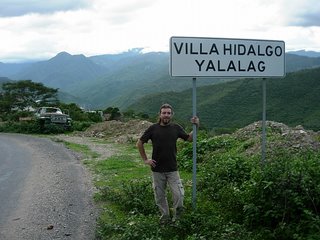
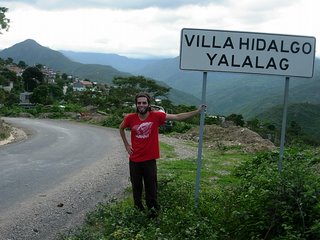
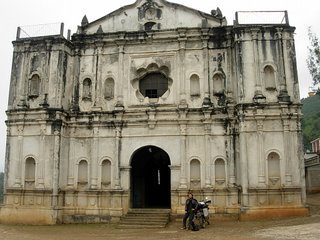
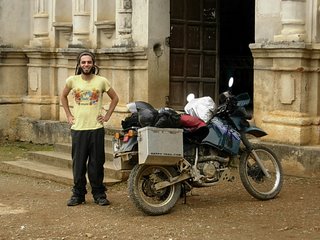
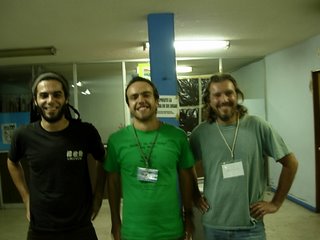 This one's a little different. A compa we met in Oaxaca, who works at the Universidad de la Tierra. In the photo, from left to right, Daniel, Daniel Alejandro, Alejandro. I think this goes nicely with the picture of our friends from Agua Prieta.


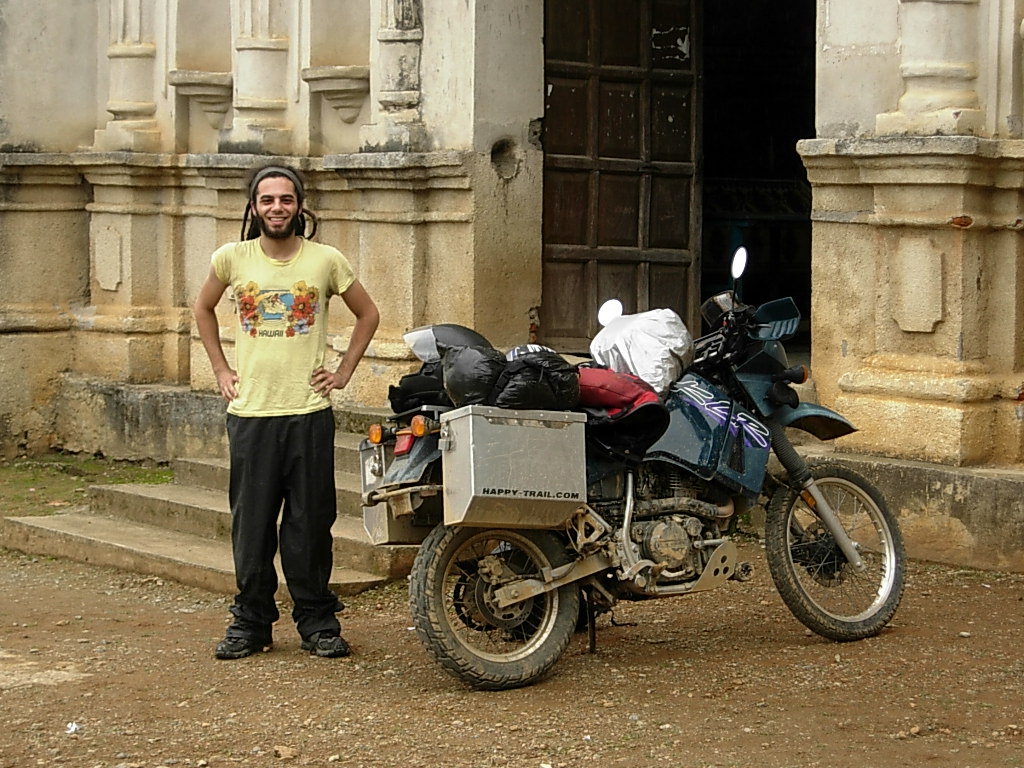
 This one's a little different. A compa we met in Oaxaca, who works at the Universidad de la Tierra. In the photo, from left to right, Daniel, Daniel Alejandro, Alejandro. I think this goes nicely with the picture of our friends from Agua Prieta.
Subscribe to:
Posts (Atom)